logo
Home ProductspH ORP Sensor

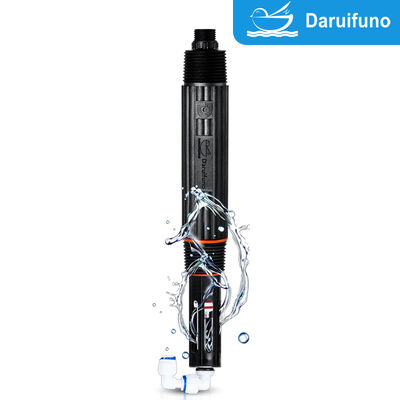
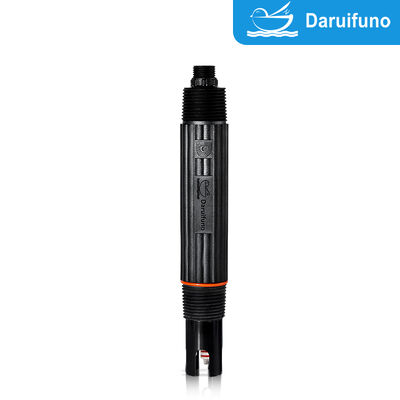
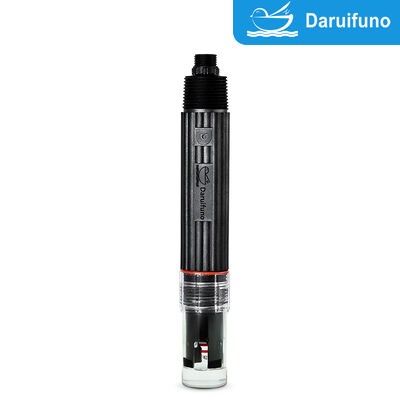
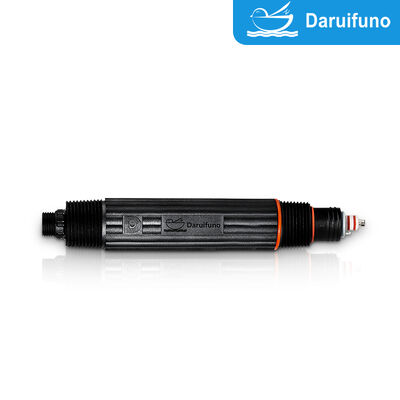
Digital ORP Probe with Platinum Ring Electrode and 1 inch NPT Thread for 2000 mV Range ORP Sensor Applications

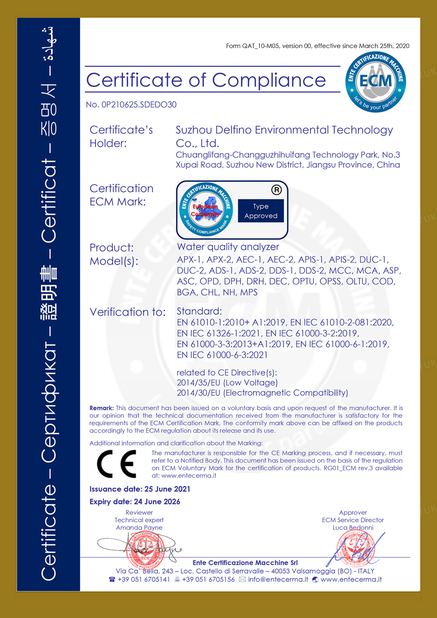
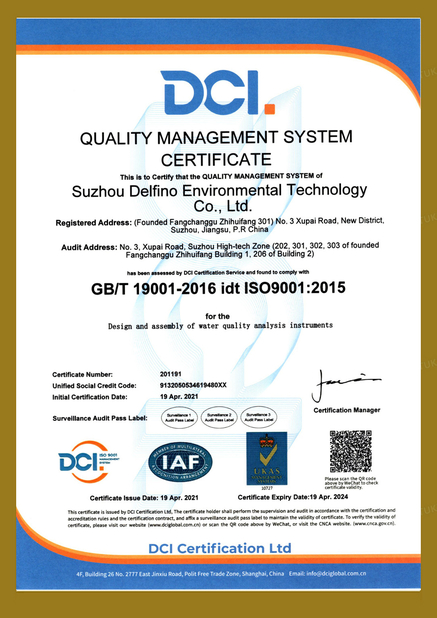
Certification
China Suzhou Delfino Environmental Technology Co., Ltd. certification
I'm Online Chat Now

Digital ORP Probe with Platinum Ring Electrode and 1 inch NPT Thread for 2000 mV Range ORP Sensor Applications

Digital ORP Probe with Platinum Ring Electrode and 1 inch NPT Thread for 2000 mV Range ORP Sensor Applications
Digital ORP Probe with Platinum Ring Electrode and 1 inch NPT Thread for 2000 mV Range ORP Sensor Applications Digital ORP Probe with Platinum Ring Electrode and 1 inch NPT Thread for 2000 mV Range ORP Sensor Applications Digital ORP Probe with Platinum Ring Electrode and 1 inch NPT Thread for 2000 mV Range ORP Sensor Applications Digital ORP Probe with Platinum Ring Electrode and 1 inch NPT Thread for 2000 mV Range ORP Sensor Applications

Large Image :  Digital ORP Probe with Platinum Ring Electrode and 1 inch NPT Thread for 2000 mV Range ORP Sensor Applications

Product Details:
Place of Origin: China
Brand Name: Daruifuno
Certification: CE
Model Number: DRH790
Payment & Shipping Terms:
Minimum Order Quantity: 1 Piece
Price: USD 110-240 / Piece
Packaging Details: Individual shock-proof foam box, anti-static bag, export-grade corrugated carton with DRH790 model label and calibration certificate
Delivery Time: 3-7 working days for stock, 15-20 days for bulk production
Payment Terms: T/T,L/C,PayPal,Western Union
Supply Ability: 3000 Pieces per Month

Digital ORP Probe with Platinum Ring Electrode and 1 inch NPT Thread for 2000 mV Range ORP Sensor Applications

Description
Product Name: Digital ORP Probe Product Model: DRH790
Measuring Range: -2000~+2000 MV / 0.0~50.0 C Resolution: 1 MV / 0.1 C
Accuracy: +/-2 MV Calibration Method: Zero, Slope And Deviation Calibration
Operating Temperature: 0~50 C Working Pressure: <=2 Bar
Waterproof Level: IP68 Power Requirement: 9~36 VDC
Power Consumption: About 0.2 W Electrical Isolation: Power And Communication Isolated Inside The Sensor
Communication Interface: RS485 MODBUS Body Material: ABS
Electrode: Platinum Ring Electrode Shell Size: D35 Mm, Total Length About 260 Mm With Cleaning Cover
Installation Size: 1 Inch NPT Thread On Each End, Insertion Depth 100 Mm (115 Mm With Connector) Installation Angle: Within +/-30 Degrees, Not Horizontal Or Upside Down
Weight: About 150 G Without Cable Cable: PUR Sheath, 10 M Standard, Customizable
Connection Method: Bare Wire / M12 Plug / Waterproof Aviation Plug
Highlight:

Platinum Ring ORP Electrode

,

ABS Body ORP Probe

,

1 inch NPT Insertion ORP

Product Overview

The DRH790 digital ORP probe is the installation-flexible member of the DRH790 family: a φ35 mm ABS-bodied ORP sensor with a platinum ring electrode and a genuine 1" NPT thread at both ends, so the same probe can be fitted to a side-wall bracket, a top flange, a pipe tee, a submerged holder or a flow-through cell without adapters. The 100 mm insertion depth (115 mm including the cleaning connector) matches standard imperial fittings, which is what most plating lines, chemical skids and municipal plants already use.

The platinum ring is the key to long-term ORP stability. Unlike a glass pH bulb, the platinum surface is not affected by hydrofluoric acid or high-alkali conditions, and it responds to the oxidising or reducing power of the water rather than to acidity. The DRH790 therefore handles -2000 to +2000 mV with 1 mV resolution and ±2 mV accuracy, covering chromium reduction at strongly negative potentials as well as hypochlorite and ozone oxidation at strongly positive potentials.

Calibration supports zero-point, slope and deviation modes. Deviation calibration is particularly useful in plating and chemical service, where a small, stable offset often appears after the electrode has been in a bath for a few weeks: instead of replacing the probe, you measure a standard solution once, enter the deviation, and the reading is corrected on the spot. The ABS housing is sealed to IP68 for continuous immersion, and the PUR cable (10 m standard) resists oils, plating mist and UV, which PVC cable does not.

Electrically, the probe runs on 9 to 36 VDC at roughly 0.2 W, and power and communication are isolated inside the sensor body — an important detail in plating and electrochemical plants where stray currents and different earth potentials are normal. Data is delivered over RS485 Modbus RTU, so the ORP value and the sample temperature can be polled by a PLC, a multi-channel controller or a SCADA gateway, and several probes can share one bus by using different slave addresses.

Technical Parameters
Parameter Specification
Product model DRH790
Measuring principle Electrochemical (platinum ring electrode, digital ORP)
Measuring range -2000 ~ +2000 mV ; 0.0 ~ 50.0 °C
Resolution 1 mV ; 0.1 °C
Accuracy ±2 mV
Calibration method Zero-point calibration, slope calibration and deviation calibration
Operating temperature 0 ~ 50 °C
Working pressure ≤ 2 Bar
Waterproof level IP68, continuous immersion
Power requirement 9 ~ 36 VDC
Power consumption About 0.2 W
Electrical isolation Power supply and communication are isolated inside the sensor
Communication interface RS485 MODBUS (RTU)
Shell material ABS engineering plastic
Shell size φ35 mm, total length about 260 mm including the cleaning protective cover
Installation size One imperial 1" NPT thread on each end; insertion depth 100 mm (115 mm including cleaning connector)
Installation angle Within ±30°, never horizontal or upside down
Weight About 150 g without cable
Cable PUR (polyurethane) sheath, standard 10 m, custom lengths available
Connection method Bare wire, M12 plug or waterproof aviation plug
Key Advantages
  1. Platinum ring electrode. The platinum sensing surface is chemically inert and unaffected by hydrofluoric acid or strong alkali, and it cleans back to a stable response far more easily than a coated glass membrane.
  2. True 1" NPT thread at both ends. A genuine imperial thread with 100 mm insertion depth means the probe drops into standard tees, flanges and immersion holders without adapters or custom machining.
  3. Five installation methods. Side-wall, top flange, pipeline, submerged and flow-through mounting are all supported by the same body, so one spare part covers every location in the plant.
  4. ±2000 mV range, ±2 mV accuracy. Full oxidising and reducing coverage with enough precision to control reduction and oxidation reactions tightly.
  5. Deviation calibration on site. Correct a stable offset with a single standard solution and one entry, avoiding unnecessary electrode replacement and downtime.
  6. IP68 immersion-rated ABS body. Continuous submersion in tanks, sumps and channels, with a compact φ35 mm × 260 mm profile that fits congested skids.
  7. PUR cable, 10 m standard. Polyurethane jacket resists oil, abrasion, plating mist and UV, and factory termination preserves the IP68 seal.
  8. Isolated RS485 Modbus electronics. Internal isolation removes ground-loop error and lets the probe sit far from the controller on the same bus as other instruments.
  9. Wide 9–36 VDC input. About 0.2 W consumption allows battery and solar operation for remote or temporary monitoring points.
  10. Low maintenance footprint. Monthly visual check, monthly calibration verification and annual electrode replacement are enough to keep the probe in service.

Digital ORP Probe with Platinum Ring Electrode and 1 inch NPT Thread for 2000 mV Range ORP Sensor Applications

Applications
  • Electroplating and metal finishing: chromium reduction (hexavalent to trivalent), oxidising bath control, rinse water monitoring in acid and alkaline lines.
  • Chemical process industry: oxidation and reduction reaction control, oxidant dosing, effluent oxidation state monitoring.
  • Printed circuit board and electronics manufacturing: etching and oxidation bath supervision, rinse water quality.
  • Printing and dyeing: oxidant control in bleaching and dye baths for consistent colour reproduction.
  • Wastewater treatment: cyanide destruction, sulphide oxidation, disinfection control and industrial effluent compliance.
  • Drinking water and purified water: chlorine and ozone disinfection residual verification.
  • Food, beverage and pharmaceutical process water: CIP oxidant control and process water oxidation state monitoring.
  • Cooling and circulating water: oxidant programme control for biofouling prevention.
Installation and Wiring
Bare Wire Version
Wire Color Terminal Definition Symbol
Red Power positive V+
Black Power negative V-
White RS485 data A (+) AS
Green RS485 data B (-) BS
M12 Connector Version
Wire Color Terminal Definition Symbol
White +12 V DC V+
Blue Power ground V-
Grey RS485 data A (+) AS
Black RS485 data B (-) BS
Note: the waterproof aviation plug version is factory terminated and does not require the user to connect individual wires.

The installation angle must be within ±30° of vertical; do not install the probe horizontally or upside down. Keep the protective cap fitted while the probe is being mounted and remove it only after the installation is complete. In plating and chemical baths, keep the platinum ring clear of heater elements and agitator blades, and allow at least one probe diameter of clearance from the tank wall to avoid stagnant pockets.

Calibration and Maintenance

Clean the platinum ring with a soft cloth and mild detergent, rinse with deionised water, then calibrate with an ORP standard solution (200 mV or 468 mV). Record the deviation value after each calibration — a steadily growing deviation is the earliest sign that the reference cell is ageing.

Maintenance Work Recommended Frequency
Visual inspection of platinum ring and body Every month
Check calibration against standard solution Monthly (depends on process environment)
Replace the ORP electrode Yearly (depends on process environment)
Common Problems and Solutions

If communication fails, verify the wiring and then the communication parameters (address, baud rate, parity bit, stop bit). If the value is abnormal, check whether the platinum ring is clean and whether the sensor is damaged, restore the factory calibration value, clean and recalibrate with standard buffer, then check the electrode service life.

Frequently Asked Questions
Q1: Why is the platinum ring electrode important?

ORP is measured at the interface between the noble metal and the water. Platinum is chemically inert, resists hydrofluoric acid and strong alkali, and can be cleaned back to a reproducible surface. That is why platinum, not steel or graphite, is the standard indicating electrode for industrial ORP probes.

Q2: What does "1 inch NPT at both ends" mean in practice?

It means the probe screws directly into standard imperial 1" tees, flanges and immersion holders — the fittings already installed in most plating lines and water plants. No adapter is needed, and the 100 mm insertion depth (115 mm with the cleaning connector) keeps the platinum ring fully in the flow.

Q3: Can I install the probe horizontally?

No. The sensor must be installed within ±30° of vertical. Horizontal or upside-down installation can trap air in the reference chamber and cause a permanent offset, and the manual explicitly excludes it.

Q4: What is deviation calibration and when should I use it?

Deviation calibration applies a fixed offset to the measured value after you compare it with a standard solution. It is the fastest way to correct the small, stable drift that appears after weeks in a plating bath, and it avoids replacing an electrode that is otherwise healthy.

Q5: How does it survive in plating and chemical baths?

The ABS body and PUR cable resist the mists, splashes and dilute chemistry around plating lines, the platinum ring is unaffected by aggressive acids, and the IP68 seal allows immersion. For extremely aggressive or high-temperature baths above 50 °C or 2 Bar, contact us for an alternative configuration.

Q6: Can it share a bus with pH sensors?

Yes. ORP and pH sensors from the DRH790/DPH790 families both use RS485 Modbus RTU, so they can sit on the same bus with different slave addresses and be read by one controller or one multi-channel analyser.

Q7: How often should the probe be replaced?

The recommended replacement interval is one year, depending on the environment. In clean water the electrode often lasts longer; in hot, high-solids or strongly oxidising service the interval should be shortened. Regular cleaning and calibration always extend service life.

Q8: What is included in the package?

One DRH790 digital ORP probe with platinum ring electrode and cleaning protective cover, PUR cable in the ordered length and connection type, calibration certificate and a printed basic user manual. Standard ORP solutions and 1" NPT mounting accessories are available on request.

Ordering Information

Please specify the connection type (bare wire, M12 plug or waterproof aviation plug), cable length (10 m standard) and mounting method so we can confirm the correct accessories. OEM labelling and custom cable lengths are available for volume orders. Send your process conditions — ORP range, temperature, pressure and chemical environment — and our engineers will confirm the configuration.

Contact Details
Suzhou Delfino Environmental Technology Co., Ltd.

Contact Person: Yuki Fu

Tel: +8615716217387

Send your inquiry directly to us (0 / 3000)