|
Product Details:
|
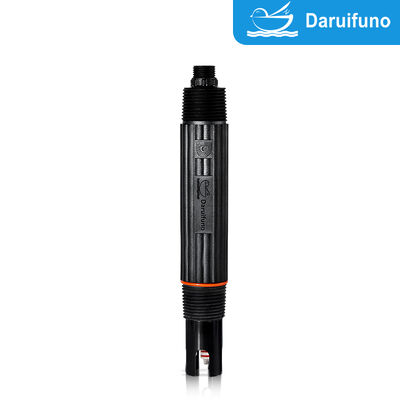
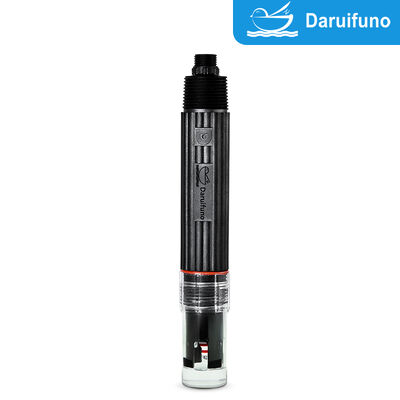
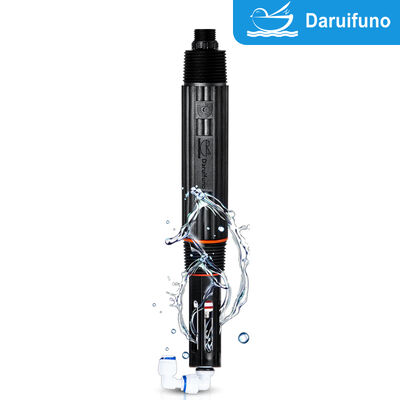
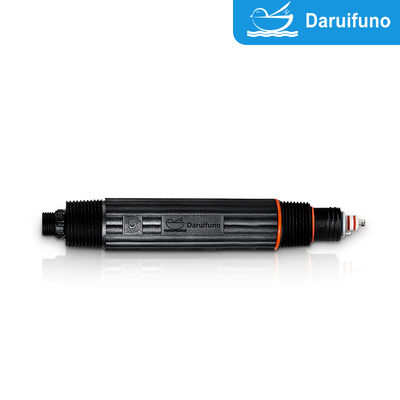
| Product Name: | Digital ORP Sensor | Product Model: | DRH790 |
|---|---|---|---|
| Measuring Range: | -2000~+2000 MV / 0.0~50.0 C | Resolution: | 1 MV / 0.1 C |
| Accuracy: | +/-2 MV | Calibration Method: | Zero, Slope And Deviation Calibration |
| Operating Temperature: | 0~50 C | Working Pressure: | <=2 Bar |
| Waterproof Level: | IP68 | Power Requirement: | 9~36 VDC |
| Power Consumption: | About 0.2 W | Electrical Isolation: | Power And Communication Isolated Inside The Sensor |
| Communication Interface: | RS485 MODBUS | Shell Material: | ABS |
| Shell Size: | D35 Mm, Total Length About 260 Mm With Cleaning Cover | Installation Size: | 1 Inch NPT Thread On Each End, Insertion Depth 100 Mm |
| Weight: | About 150 G Without Cable | Cable: | PUR Sheath, 10 M Standard, Customizable |
| Connection Method: | Bare Wire / M12 Plug / Waterproof Aviation Plug | ||
| Highlight: | RS485 Modbus ORP Sensor,IP68 ORP Electrode Probe,2000 mV Wide Range ORP |
||
The DRH790 digital ORP sensor measures oxidation-reduction potential on the classic electrochemical principle, using a platinum ring electrode as the indicating element and a stable reference half-cell. ORP is the single most practical on-line indicator for disinfection strength, oxidant residual and chemical reaction state, and the DRH790 turns that measurement into a clean digital value that any PLC or controller can read over RS485 Modbus.
The measuring range is -2000 to +2000 mV with 1 mV resolution and ±2 mV accuracy, covering the full span needed for drinking water chlorination, wastewater disinfection, cyanide destruction, chromium reduction and oxidation towers. Sample temperature from 0 to 50 °C is measured by an integrated element and reported on the same Modbus register map, so the controller can log both ORP and temperature in a single poll.
Calibration is flexible: zero-point, slope and deviation calibration are all supported, which means you can correct an offset in the field with a single standard solution (typically 200 mV or 468 mV ORP buffer) without replacing the electrode. The ABS body is sealed to IP68 and can be immersed continuously, while the 1" NPT thread on each end fits side-wall brackets, top flanges, pipe tees, submerged holders and flow-through cells.
The sensor is powered from a wide 9 to 36 VDC input at about 0.2 W, so it suits 12 V battery systems, 24 V panel supplies and remote solar stations. Power and communication are electrically isolated inside the sensor, which removes ground-loop offsets that otherwise appear in plants where the probe and the controller sit on different earth potentials. The standard cable is a 10 m PUR-sheathed lead — PUR resists oil, UV and repeated flexing better than PVC — and cable length can be customized. Bare wire, M12 plug and waterproof aviation plug versions are all available, so the same probe can be integrated into new skids or dropped into an existing junction box.
| Parameter | Specification |
|---|---|
| Product model | DRH790 |
| Measuring principle | Electrochemical (platinum ring electrode, digital ORP) |
| Measuring range | -2000 ~ +2000 mV ; 0.0 ~ 50.0 °C |
| Resolution | 1 mV ; 0.1 °C |
| Accuracy | ±2 mV |
| Calibration method | Zero-point calibration, slope calibration and deviation calibration |
| Operating temperature | 0 ~ 50 °C |
| Working pressure | ≤ 2 Bar |
| Waterproof level | IP68, continuous immersion |
| Power requirement | 9 ~ 36 VDC |
| Power consumption | About 0.2 W |
| Electrical isolation | Power supply and communication are isolated inside the sensor |
| Communication interface | RS485 MODBUS (RTU) |
| Shell material | ABS engineering plastic |
| Shell size | φ35 mm, total length about 260 mm including the cleaning protective cover |
| Installation size | One imperial 1" NPT thread on each end; insertion depth 100 mm (115 mm including cleaning connector) |
| Installation angle | Within ±30°, never horizontal or upside down |
| Weight | About 150 g without cable |
| Cable | PUR (polyurethane) sheath, standard 10 m, custom lengths available |
| Connection method | Bare wire, M12 plug or waterproof aviation plug |
![]()
| Wire color | Terminal definition | Symbol |
|---|---|---|
| Red | Power positive | V+ |
| Black | Power negative | V- |
| White | RS485 data A (+) | AS |
| Green | RS485 data B (-) | BS |
| Wire color | Terminal definition | Symbol |
|---|---|---|
| White | +12 V DC | V+ |
| Blue | Power ground | V- |
| Grey | RS485 data A (+) | AS |
| Black | RS485 data B (-) | BS |
Mount the sensor at an angle within ±30° of vertical; never install it horizontally or upside down, otherwise the reference chamber can trap air and the reading will drift. Keep the protective cap on during installation and remove it only after the probe is fixed. Insertion depth is 100 mm (115 mm including the cleaning connector), so standard 1" tees and immersion brackets fit directly.
Rinse the platinum ring with deionised water, then calibrate in an ORP standard solution (200 mV or 468 mV). If the reading is offset but the slope is healthy, use deviation calibration to correct it directly. A slow or noisy response usually means the platinum ring is coated — clean it and recalibrate before returning the probe to service.
| Maintenance work | Recommended frequency |
|---|---|
| Visual inspection of platinum ring and body | Every month |
| Check calibration against standard solution | Monthly (depends on process environment) |
| Replace the ORP electrode | Yearly (depends on process environment) |
If the electrode cannot communicate, check the wiring first and then the communication parameters (address, baud rate, parity bit, stop bit). If the measured value is abnormal, check whether the platinum ring is clean and whether the sensor is damaged, restore the factory calibration value, clean and recalibrate with standard buffer, and finally check the service life of the electrode.
ORP (oxidation-reduction potential, in mV) shows the oxidising or reducing strength of the water, which is what actually determines whether disinfection or chemical reduction is working. pH tells you acidity, ORP tells you whether the oxidant is doing its job — that is why chlorination and chromium reduction loops are usually controlled on ORP.
The DRH790 uses a platinum ring electrode and an ORP reference cell to measure millivolts from -2000 to +2000, while a pH sensor uses a glass bulb and reports 0–14 pH. They share the same digital RS485 Modbus platform and the same 1" NPT mounting, so both can be installed on one bus and read by the same controller.
Yes. The probe is IP68 rated for continuous immersion, and the PUR cable jacket is designed for long-term water contact. Keep the working pressure below 2 Bar and the temperature below 50 °C, and make sure the cable gland or plug is fully tightened.
Monthly calibration is the normal recommendation, and every two weeks in dirty or high-solids service. Clean the platinum ring before every calibration; a coated ring will read low and drift, and cleaning alone often restores most of the lost accuracy.
Yes, as long as each probe has a unique Modbus slave address. Keep the same baud rate, parity and stop bit on the whole bus, daisy-chain the A/B pair, and terminate the shield at the controller end only.
Choose bare wire if you are wiring into a panel, M12 if you need a quick-disconnect for periodic cleaning, and the waterproof aviation plug if the probe will be replaced regularly in a wet area. All three use the same probe body and the same measurement performance.
The standard length is 10 m with a PUR sheath, and custom lengths are available from the factory. Because the output is digital RS485, the cable can also be extended in the field with shielded twisted pair, but factory-terminated cable is recommended for IP68 integrity.
One DRH790 digital ORP sensor with cleaning protective cover, PUR cable in the ordered length and connection type, calibration certificate and a printed basic user manual. ORP standard solutions, immersion brackets and flow-through cells are available on request.
Please confirm the cable length (10 m standard), the connection type (bare wire, M12 plug or waterproof aviation plug) and the Modbus slave address you need. OEM labelling is available for volume orders. Send us your process conditions — ORP range, temperature, pressure and installation method — and our engineers will confirm the right configuration for your project.
Contact Person: Yuki Fu
Tel: +8615716217387