logo
Home ProductspH ORP Sensor

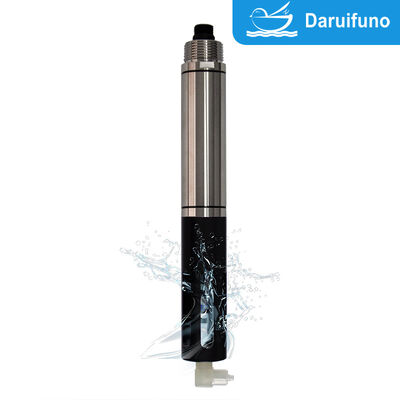
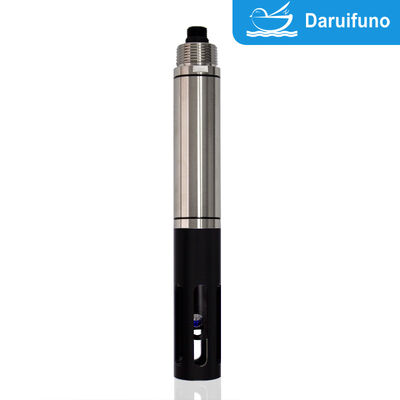
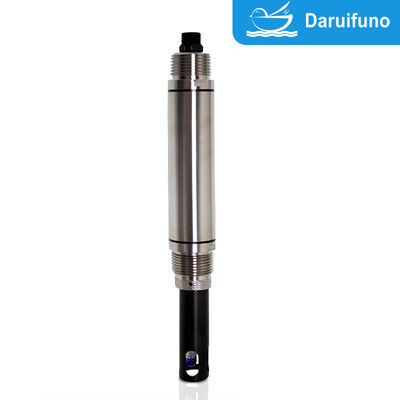
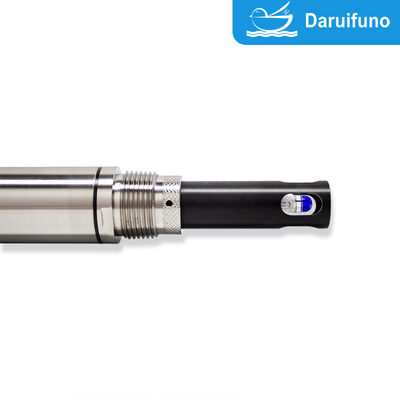
IP68 Wastewater pH Sensor RS485 Modbus 0-14pH Digital pH Sensor for Aeration Basin Effluent Monitoring

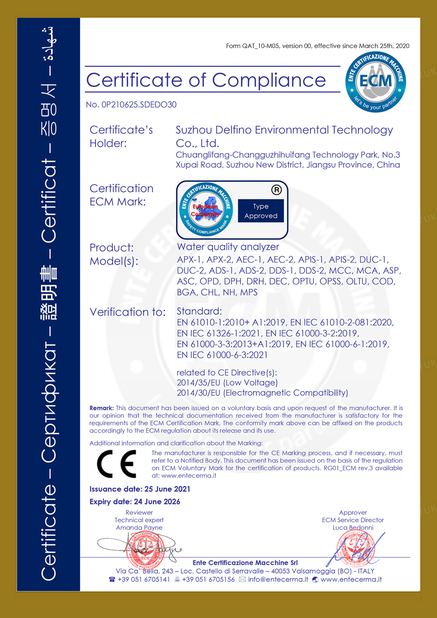
Certification
China Suzhou Delfino Environmental Technology Co., Ltd. certification
I'm Online Chat Now

IP68 Wastewater pH Sensor RS485 Modbus 0-14pH Digital pH Sensor for Aeration Basin Effluent Monitoring

IP68 Wastewater pH Sensor RS485 Modbus 0-14pH Digital pH Sensor for Aeration Basin Effluent Monitoring
IP68 Wastewater pH Sensor RS485 Modbus 0-14pH Digital pH Sensor for Aeration Basin Effluent Monitoring IP68 Wastewater pH Sensor RS485 Modbus 0-14pH Digital pH Sensor for Aeration Basin Effluent Monitoring IP68 Wastewater pH Sensor RS485 Modbus 0-14pH Digital pH Sensor for Aeration Basin Effluent Monitoring IP68 Wastewater pH Sensor RS485 Modbus 0-14pH Digital pH Sensor for Aeration Basin Effluent Monitoring

Large Image :  IP68 Wastewater pH Sensor RS485 Modbus 0-14pH Digital pH Sensor for Aeration Basin Effluent Monitoring

Product Details:
Place of Origin: China
Brand Name: Daruifuno
Certification: ISO 9001
Model Number: DPH890
Payment & Shipping Terms:
Minimum Order Quantity: 1 Piece
Price: 250-500
Packaging Details: Carton
Delivery Time: 5-20 days
Payment Terms: T/T
Supply Ability: 10000 Sets per Month

IP68 Wastewater pH Sensor RS485 Modbus 0-14pH Digital pH Sensor for Aeration Basin Effluent Monitoring

Description
Product Name: Wastewater Digital PH Sensor Model: DPH890
Measuring Range: 0.00~14.00 PH; 0.0~50.0 C Resolution: 0.01 PH / 0.1 C
Accuracy: 0.1% FS Or +/-0.02 PH; +/-0.5 C Temperature Compensation: Automatic Or Manual
Calibration Method: Zero, Slope And Offset, 3 Points Operating Temperature: 0~50 C
Working Pressure: 0~1 Bar Waterproof Level: IP68
Power Supply: DC 9~24 V, About 0.2 W Communication: RS485 Modbus RTU, Isolated
Shell Material: Stainless Steel 316, POM Case Size: Dia 37 Mm X 261 Mm
Installation: Side Wall / Top Flange / Flow-through / Submerged / Pipeline Cable: 10 M Standard, Customizable
Weight: Approx. 500 G Without Cable Maintenance Cycle: Monthly Check, Yearly Replacement, Seal Service 2 Years
Highlight:

DPH890 wastewater pH sensor

,

aeration basin pH probe

,

effluent pH monitoring sensor

Product Overview

Wastewater is the hardest routine duty for a pH electrode: biologically active liquor and surfactants that coat the glass, sulphides that poison a reference junction, and a plant that cannot afford to send a technician to the basin every week. The DPH890 is configured for exactly this service. A low-impedance glass bulb and an annular ceramic junction keep the response quick even when a biofilm starts to form, the reference gel is polymerised so it does not leak out under immersion, and the whole barrel is stainless steel 316 with POM end caps, sealed to IP68 and rated for 0~1 bar.

In the basin the sensor is normally fitted with the submerged installation accessories - U-shaped cards, mounting plate, handle sleeve and a rainproof elbow - clamped to a handrail or a DN32 PVC bracket so the electrode hangs at a fixed depth and stays within ±30° of vertical. Side wall installation brackets the same body to a channel wall, top flange mounting drops it through a tank cover, flow-through installation seats it in a bypass or sample line, and pipeline installation threads it directly into a tee. Either way the measured value is transmitted digitally over RS485 Modbus RTU, so the ten-metre standard cable does not degrade the reading on its way back to the MCC or the analyser cabinet.

The control loop is usually simple: pH at register address 2 and temperature at address 4, both 32-bit floats, polled by the PLC or by a dosing controller. Set the sampling buffer higher in the aeration basin where the surface moves, and lower in the neutralisation tank where the loop needs speed. Enabling the natural water compensation coefficient keeps the reading aligned with lab samples in typical municipal liquor, while plants that polish to low conductivity can switch to the pure water coefficient instead.

Just as important as the sensor is the service plan that keeps it alive. The maintenance table in the DPH890 user manual is realistic about wastewater: visual inspection and calibration check monthly, electrode replacement yearly in aggressive service.

Key Advantages
  1. Built for fouling service: low-impedance hemispherical glass and an annular ceramic junction keep response fast in liquor that coats other electrodes, and cleaning takes a soft cloth rather than a dismantling job.
  2. Sealed against ingress: IP68 stainless steel 316 and POM construction, welded and gasketed, rated to 1 bar — the failure mode that destroys immersed sensors is water in the body, and this design addresses it directly.
  3. Digital RS485 Modbus RTU output: pH and temperature leave the sensor as digital floats, so a 10 m standard cable (or a longer custom length) does not soften the signal in an electrically noisy plant.
  4. Complete documentation for compliance work: DPH890 user manual with register map, calibration record and maintenance schedule, plus check report and qualification certification for the plant file.
Technical Parameters
Product Model DPH890
Brand Daruifuno
Measuring Principle Glass electrode method (digital, all-in-one)
Measuring Range 0.00~14.00 pH; 0.0~50.0 °C
Resolution 0.01 pH; 0.1 °C
Accuracy 0.1% of measuring range or ±0.02 pH (take the larger); ±0.5 °C
Temperature Compensation Automatic or manual compensation
Calibration Method Zero calibration, slope calibration, offset calibration
Operating Temperature 0~50 °C
Working Pressure 0~1 bar
Waterproof Level IP68
Power Requirements DC 9~24 V
Power Consumption About 0.2 W
Electrical Isolation Power supply and communication are isolated
Communication Interface RS485 Modbus RTU
Shell Material Stainless steel 316, POM
Case Size Diameter 37 mm, total length about 261 mm
Installation Size Side wall, top flange, flow-through, submerged and pipeline installation (installation accessories available)
Weight Approx. 500 g (without cable)
Cable Standard 10 m, length customizable
Connection Method Separate cable (aviation plug version needs no field wiring)
Typical Installation Layouts
  • Side wall : The pH sensor can be installed in the tank side walls 
  • Top flange mounting: the sensor passes through a cover flange with the cable gland above the liquid, which keeps the connector dry in covered tanks and digesters.
  • Pipeline installation: the body threads into a tee on a pressurised side stream, so pH is measured on the pipe rather than in the open basin.
  • Submerged installation: The pH sensor can be installed in the areation tank 
Neutralisation tank:
  • flow-through installation in a flow cell with inlet at the bottom, outlet at the side and overflow at the top, positioned at least one metre downstream of the dosing point.

IP68 Wastewater pH Sensor RS485 Modbus 0-14pH Digital pH Sensor for Aeration Basin Effluent Monitoring

Applications
  • Municipal wastewater plants: influent equalisation, aeration basins, return sludge and final effluent.
  • Industrial effluent: chemical, pharmaceutical, textile, paper and electroplating waste streams before neutralisation and discharge.
  • Dosing control: acid or alkali addition loops using pH as the feedback signal.
  • Pollution source monitoring: outlet stations where pH is logged for discharge compliance.
  • Leachate and landfill treatment: high-strength liquor with aggressive fouling behaviour.
  • Recirculation and cooling systems: basin and sump monitoring where access for maintenance is limited.
Maintenance in Wastewater Service
  1. Inspect monthly: lift the sensor, check the glass bulb, the thread and the cable entry for fouling, algal growth or damage.
  2. Clean with a soft cloth and mild detergent. For carbonate scale use a 5% hydrochloric acid dip for no more than five minutes, then rinse and re-soak in KCl solution. Never scrape the glass.
  3. Check calibration weekly or monthly in wastewater, weekly during a shock load. A slow response after cleaning is the practical warning that the electrode is near the end of its life.
  4. Keep the protection cap filled with storage solution when the sensor is out of the basin; a dry bulb recovers slowly or not at all.
User Manual and Documentation

The DPH890 user manual covers the immersion duty in detail: illustrated railing and flow cell installation sequences, the accessory list with item numbers, the wiring colour table, the full Modbus RTU register map and command examples, the maintenance cycle table and a fault-finding section for no-communication and abnormal-reading cases. 

FAQ
Q1: Will the sensor cope with the biofilm in an aeration basin?

Yes, with routine cleaning. A biofilm slows the response rather than breaking the measurement, and the low-impedance bulb recovers quickly after a wipe. Monthly cleaning and calibration is the recommended baseline in municipal liquor; heavily loaded industrial streams may need weekly attention.

Q2: How do I install it without emptying the tank?

Use the submerged installation accessories on a handrail or bracket with the cable reachable from the walkway, so the electrode can be lifted for cleaning without entering the basin. For a fixed installation, a sample flow cell fed by a small pump keeps the sensor accessible at ground level.

Q3: What cable length do I need between the basin and the cabinet?

The standard cable is 10 m and can be customised at order. Because the output is digital RS485, extending the run does not degrade the measurement the way an analog pH cable would, but observe normal bus length limits and use shielded twisted pair beyond the standard length.

Q4: How often should the sensor be calibrated in wastewater?

Monthly is the working norm, and weekly during a shock load or after a process change. Calibration is three-point with editable buffer values, and the resulting zero point and slopes should be logged so you can see ageing trends.

Q5: Can it measure ORP as well as pH?

No. The DPH890 measures pH and temperature. For oxidation-reduction potential in the same style of body, ask us for the ORP model, which uses an inert platinum electrode and the same RS485 Modbus interface.

Q6: Is the reading affected by a variable frequency drive nearby?

The power supply and the RS485 pair are electrically isolated inside the sensor, which removes the most common interference path. Keep the cable away from motor cables, earth the shield at one end only, and the reading should stay stable.

Ordering Information
Model DPH890 with the installation accessory set you need - side wall, top flange, flow-through, submerged or pipeline - 10 m cable, RS485 Modbus RTU. Please specify the installation arrangement, cable length, connection method and the water type (municipal, industrial, high-sulphide or low conductivity) so we can pre-set the compensation coefficient and advise on the maintenance interval before shipment.

Contact Details
Suzhou Delfino Environmental Technology Co., Ltd.

Contact Person: Yuki Fu

Tel: +8615716217387

Send your inquiry directly to us (0 / 3000)